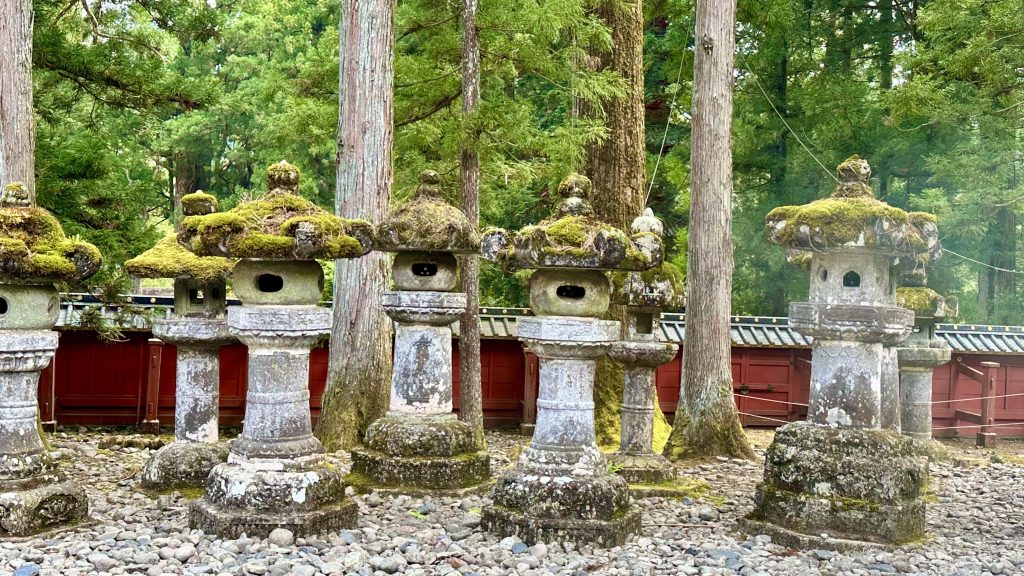
In Japan, aesthetic and beauty are held to high standards. Design often has clear lines and forms. Few bells and whistles.
Think fashion, architecture, furniture or the beauty of a geisha with perfect makeup and kimono.
And yet, there’s also a very different side.
Seeing a Japanese friend marvel over a wonky ceramic bowl with visible cracks made me wonder. Another couldn’t stop talking about a piece of wood weathered by nature over hundreds of years.
I quickly learned that this is wabi-sabi. A concept or philosophy not easily translated.
At its heart, it is about finding beauty in imperfection. In simplicity. In natural aging,
It’s an appreciation that things change and don’t last forever. An appreciation for the moment. Yes, exactly this moment.
It’s not about something simply being old. And it’s not at all about style.
A rusted metal object that has naturally aged can be wabi-sabi. A faded photograph. A piece of fabric that has softened with age. For me, moss growing over old stone statues is so very sabi-wabi.
What a fascinating concept! Once I understood it better, I was hooked. You start looking at things differently. Maybe even at life.
It’s beautiful to accept (and like!) things as they are – with all their imperfections and fleeting nature.
Suddenly, the Japanese fascination with cherry blossoms in spring (sakura), and falling leaves in autumn (kōyō) made so much more sense.
Traditionally, wabi-sabi is not about people. But it could.
Wrinkles and weathered hands that show a person’s age and experience can be wabi-sabi.
The imperfection itself becomes part of beauty, rather than something that needs to be corrected.
Maybe that’s what’s most beautiful about wabi-sabi: the idea that we don’t have to hide the marks that time leaves on us. They are traces of a life lived.
Isn’t this a wonderful way to think about aging?
Did you know:
- Wabi-sabi has deep roots in the Japanese tea ceremony. Tea masters valued simple, handmade bowls and utensils over perfectly polished luxury objects.
- A cracked bowl can become more valuable, not less. The Japanese art of kintsugi repairs broken ceramics with lacquer mixed with gold, making the cracks visible rather than hiding them.
- Wabi-sabi isn’t simply about old things. A brand-new handmade object can have wabi-sabi qualities if it is simple, irregular, understated, or shows the marks of how it was made.
Read more Japan Nuggets: https://japannuggets.com/


Leave a Reply