Matcha is everywhere: in lattes, ice cream, protein bars, skincare and cocktails. During a recent visit to Osaka, I even had matcha beer! Probably for tourists.
What used to be a carefully prepared tea in Japan’s traditional tea ceremony is now a cultural export, available across the globe. So, what’s all the hype about?
Matcha is a finely ground powder made from shade-grown green tea leaves. It’s cultivated with much care in some of Japan’s most beautiful regions.
Preparing and drinking matcha in Japan is about much more than the latest food trend or caffeine (and it does have plenty of it!). It’s all about mindfulness, presence, and sharing a quiet moment.
When I need that moment, I head to a small teahouse near my home in Tokyo and treat myself to a freshly prepared bowl of matcha served with a seasonal sweet (wagashi).
This is not a daily habit. And that’s exactly what makes it special.
On a daily basis, most people in Japan drink ordinary green tea (sencha) – which is also excellent. Or roasted green tea (hojicha) which has less caffeine – and is one of my favorites.
The global matcha boom is both exciting and a little surprising to many of my Japanese colleagues and friends. There’s pride in seeing a cultural product and tradition getting so much international recognition.
But the boom also has a downside. Demand for high-quality matcha has surged, and supply is limited. Less than 10% of Japan’s tea production is tencha, the green tea used to make matcha.
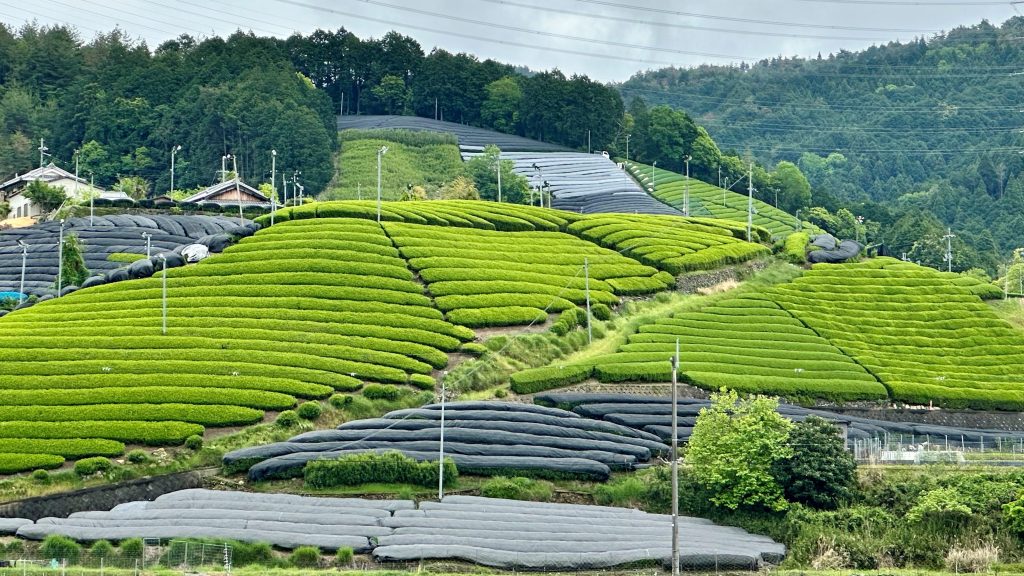
While visiting a tea factory in the Uji tea region, I realized just how labor-intense it is to produce matcha.
Tea plants are covered with plastic sheets for several weeks before harvest (as you can see in the picture). Only the youngest leaves are picked, then steamed, dried, and slowly stone-ground into the fine green powder that ends up in your cup. Some high-end and ceremonial matcha is even hand-picked.
Much of what is sold abroad ends up in sweetened drinks and desserts – often driven by the global matcha boom on social media. Far removed from its traditional preparation.
Inside Japan, it’s different. While matcha-flavored sweets and drinks are also popular, matcha itself has a quieter role.
It’s reserved for rituals and hospitality. For moments that matter.
So, when you have your next bowl of matcha, remember that behind the trend is a lot of tradition, history, hard work and care.
Take a sip, slow down, take a deep breath – and enjoy!
Did you know:
- Traditional granite mills produce only about 30–40 grams of matcha per hour, making high-quality matcha a very slow craft.
- The bamboo whisk (chasen) to prepare matcha is traditionally hand-carved from a single piece of bamboo to create the tea’s smooth texture and fine foam.
- Matcha was originally used as medicine. It came from China to Japan in the 12th century and was first valued for its health benefits before becoming part of Zen Buddhism and the tea ceremony.
Read more Japan Nuggets: https://japannuggets.com/


Leave a comment