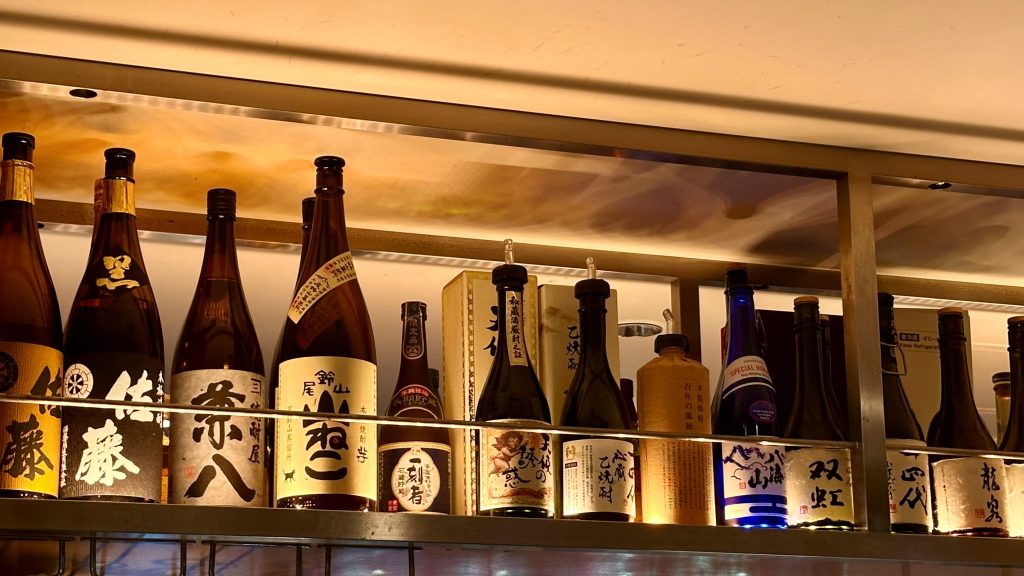
At least, that’s what I thought when I moved to Japan. But walk into any izakaya (Japanese pub) and you see beer everywhere. Wine, whiskey and mixed drinks are common too. Sake? Not so much.
Still, sake has a unique place in Japanese culture. I became a convert during my first sake tasting in Tokyo. So many diverse flavors: light and delicate, rich and savory, dry or sweet, cloudy or clear.
There really is a sake for every taste.
It’s traditionally served in small cups to help pace drinking and encourage the Japanese custom of pouring for others. Like a social rhythm: pouring, sipping, refilling, and conversation.
But sake is more than a drink. It’s deeply connected to Japanese history. For centuries it was offered to the gods in Shinto rituals and used in important celebrations. Commercial production didn’t really take off until the 17th century.
Rice itself was once a symbol of wealth, spirituality, and power. A drink made from rice carried special meaning.
Today, premium sake has developed into a serious craft — a bit like wine culture in France.
More than 1,000 breweries produce sake across Japan. From tiny family-run producers to huge commercial operations.
People drink it at weddings, festivals, New Year celebrations, and religious ceremonies. But it’s not an everyday drink, and sake consumption has steadily declined over recent decades.
Japanese whisky has experienced the opposite trend—but that’s a story for another blog post.
And just a word on the fascinating brewing process. Mold (koji) converts rice starch into sugar while yeast simultaneously converts that sugar into alcohol. The result? Sake naturally reaches around 15-16% alcohol.
One of the fun things about sake is that it can be enjoyed both hot and cold. Many Japanese people switch with the seasons: chilled in summer, warm in winter.
And then there’s sparkling sake. I’m a big fan – it’s fresh, light, slightly fizzy and lower in alcohol than regular sake.
So, culturally sake is Japan’s national drink. It’s woven into the country’s history, religion, and celebrations.
But if you join friends for an ordinary night out in Tokyo, don’t be surprised if almost everyone orders a beer instead.
Did you know:
- One of the oldest methods to produce sake was called kuchikami no sake (“mouth-chewed sake”): people chewed rice, nuts, or grains and spat them into a communal container. Enzymes in saliva converted starch into sugar, which then fermented naturally into alcohol. It might shock us today, but it was surprisingly common in ancient cultures.
- Sake has no vintage tradition. Unlike wine, most sake is intended to be enjoyed within about a year of bottling rather than aged for decades.
- The rice used for sake isn’t usually eaten. There are varieties specifically for brewing.
Read more Japan Nuggets: https://japannuggets.com/


Leave a Reply