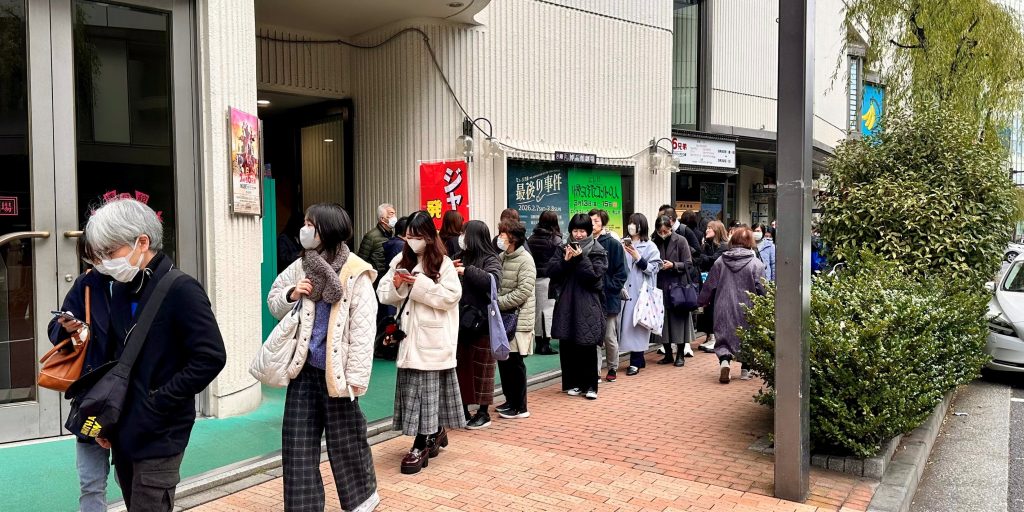
Walk through Tokyo at lunchtime and you’ll see long lines outside popular food spots. It’s puzzling at first, because there’s no shortage of restaurants, many nearby and half empty.
When I first moved to Tokyo, someone even told me to choose a restaurant based on the line: the longer the queue, the better the food. A long line seems to signal that something is worth trying.
While lining up for an exceptional place isn’t unusual in other countries, in Japan it feels closer to the norm.
People queue for popular lunch spots, limited-edition products, and new tech releases. Many Tokyo residents will patiently wait for an hour or more, especially for something perceived as high quality or limited.
It’s not that people enjoy waiting – it’s that lining up feels predictable and fair.
In one of the world’s most densely populated cities, structure keeps things moving. From convenience stores to elevators, waiting your turn is expected – and respected. Line cutting is frowned upon because it disrupts harmony.
There’s even a phrase: Narabu no ga atarimae: “lining up is natural” or “it’s just what you do.”
In many Western cities, people gather loosely near where something will happen. In Tokyo, they almost instinctively form a line — no barriers, ropes, or policing needed.
On train and subway platforms, floor markings show exactly where to wait: painted lines, numbered boarding spots, and symbols indicating where the doors will open. Passengers form two orderly lines on either side of the door, leaving the center clear for those exiting.
Of course, this order isn’t absolute. During peak rush hour, platforms can become so crowded that neat lines blur into clusters. People still let others exit first – but lack of space affects perfect order.
Orderly queuing runs largely on mutual trust and shared norms. In a city as crowded as Tokyo, a simple line isn’t just order – it’s a shared agreement that keeps daily life running smoothly.
Did you know?
- After the 2011 earthquake and tsunami in Japan, international media noted how calmly people queued for supplies, reinforcing the global image of Japanese orderly behavior.
- For highly anticipated releases like concert merchandise, limited sneakers or game launches, stores sometimes hand out numbered tickets so customers can leave and return later. A line to organize a future line!
- Some lines are intentionally hidden. In department store food halls, lines may wrap around displays so they don’t block walkways. Orderly, but almost invisible at first glance.
Read more Japan Nuggets: https://japannuggets.com/


Leave a comment